How to Get More Organic Clicks Without Ranking Higher: 8 Proven Tactics for 2026

Master the art of SERP CTR optimization to double your traffic without climbing a single ranking position. These eight battle-tested tactics improve organic clicks through smart snippet engineering, not content rewrites.
Last updated: 2026-05-05
You’re ranking on page one. Traffic is trickling in. But the gap between impressions and clicks is eating you alive.
The industry obsesses over backlinks and keyword difficulty, but the real leverage is in your SERP snippet. A 5% CTR bump on 10,000 monthly impressions adds 500 clicks with zero new rankings. That’s a landing page rewrite without touching the page.
This guide walks through eight proven tactics to increase organic clicks when you’re already visible but underperforming on click-through rate. Each comes with a concrete before-and-after example you can adapt today.
1. Optimize Title Tags for Emotion, Not Just Keywords
Your title tag is the headline. Keywords get you ranked, but emotion gets the click. A title stuffed with target terms performs worse than one that triggers curiosity, urgency, or relief. The trick is balancing both.
Power words like “proven,” “fast,” “simple,” and “without” signal value and lower friction. Numbers anchor expectations. Brackets add specificity.
Before: Best Project Management Tools for Small Teams
After: 7 Project Management Tools That Small Teams Can Set Up in Under 10 Minutes [2026]
The second version keeps the core keyword intact but adds a numeric promise, a time benefit, and a freshness signal. It tells the searcher what they’ll get and how fast they’ll get it.
2. Write Meta Descriptions That Close the Loop
A good meta description is a two-sentence ad. First sentence states the benefit. Second sentence hints at what’s inside without giving it all away. You want enough intrigue to earn the click, not enough closure to skip it.
Avoid generic phrasing like “Learn more about” or “This article covers.” Those waste character space and read like placeholder text. Instead, mirror the search intent back to the user and tease the outcome.
Before: Learn about cold email outreach and how to do it effectively. This guide covers best practices and tips.
After: Cold email outreach converts at 8% when you nail the subject line and first sentence. Here’s the four-part framework we use to book 30+ demos a month.
The second version opens with a stat, names the problem, and teases a repeatable system. It converts impression into intent.
3. Leverage Structured Data for Rich Snippets
Rich snippets double the real estate your result occupies in the SERP. Star ratings, FAQ dropdowns, breadcrumb trails, and how-to steps all push competing results further down the screen. More pixels equal more attention.
According to a 2024 Ahrefs study, pages with FAQ schema saw an average CTR lift of 35% compared to plain blue-link results at the same position. Google prioritizes structured data because it improves the search experience, which means you get rewarded for doing the markup work.
Start with FAQ schema if your page answers common questions. Add HowTo schema for step-by-step guides. Use Product schema for e-commerce. The markup is straightforward JSON-LD you drop into your page header or generate through plugins.
Before: A plain title and meta description for a recipe post.
After: Recipe schema shows star rating, cook time, and calorie count directly in search results.
The visual difference is dramatic. A two-line snippet becomes a five-line block with actionable data points that answer micro-questions before the click.
4. Add Breadcrumbs to Show Hierarchy and Build Trust
Breadcrumbs replace the raw URL slug in your SERP snippet with a clean navigation path. Instead of “deltaloop.io/blog/post-slug,” searchers see “DeltaLoop › Blog › SEO Tactics.” It looks organized, trustworthy, and easier to parse.
Breadcrumbs also signal to Google how your site is structured, which can improve how your pages cluster in topic-based searches. The markup is simple BreadcrumbList schema.
Before: example.com/blog/long-keyword-slug-2026
After: Example › Blog › Long Keyword Slug 2026
The second format reads like a magazine table of contents. It reassures the searcher that this is a maintained site with editorial structure, not a thin affiliate page.
5. Improve URL Slugs for Clarity and Keyword Relevance
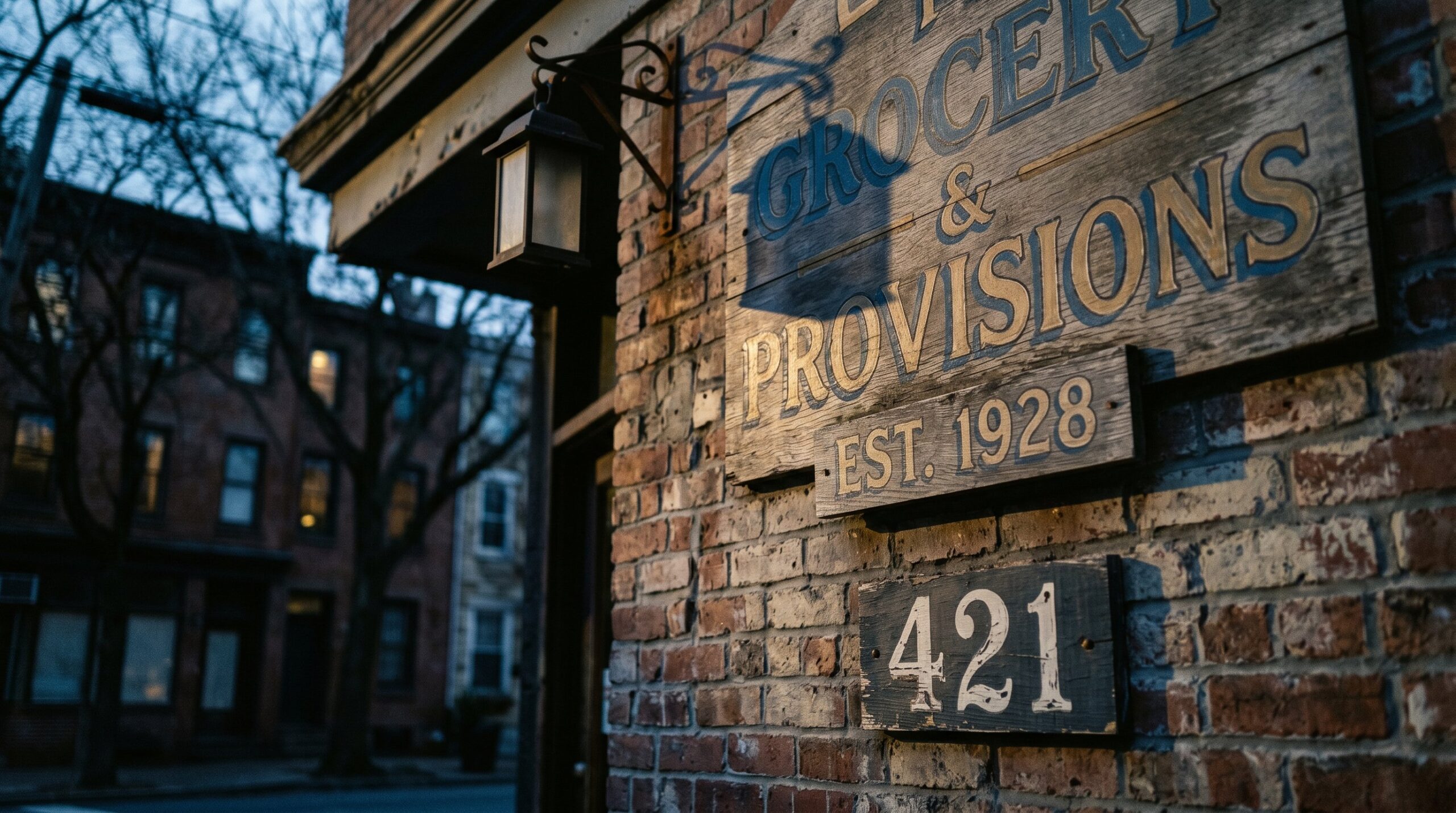
Your URL slug appears in the SERP snippet, and users scan it for relevance cues. A messy slug with tracking parameters, dates, or generic IDs makes your result look untrustworthy. A clean slug with target keywords reinforces that this page answers the query.
Keep slugs short, descriptive, and keyword-rich. Remove stop words like “the” and “and” unless they’re part of a natural phrase. Hyphens separate words. No underscores, no caps.
Before: /blog/post-12345-final-v2
After: /improve-ctr-without-higher-rankings
The second slug communicates value before the click. It’s also easier to share, easier to remember, and more likely to match the exact terms someone typed into search.
6. A/B Test Your SERP Snippets Over Time
You can’t A/B test a SERP snippet the way you’d test a landing page headline, but you can iterate systematically. Change one variable at a time, wait three weeks for Google to re-crawl and re-index, then compare CTR in Search Console.
Start with title tag variations. Test numeric vs. non-numeric. Test question format vs. statement. Test year inclusion vs. omission. Track CTR by query in Search Console and filter by the target keyword to isolate signal from noise.
Meta descriptions can be tested the same way. Swap in a new hook, a different stat, or a question format. Wait for the index to refresh, then measure.
Pages with stable impressions and low CTR are perfect candidates. A 2-point CTR gain on 5,000 impressions is 100 extra clicks a month for 20 minutes of work.
7. Use Dates in Titles to Signal Freshness
A 2026 date in your title tag tells the searcher this content is current. For queries where recency matters (tools, trends, tactics), the year becomes a trust signal that pushes older results down the consideration set.
Brackets work best because they visually separate the date from the main headline. Append the year at the end so the core promise reads first.
Before: Best Email Marketing Tools for Agencies
After: Best Email Marketing Tools for Agencies [2026]
The second version wins against identical competitors because it implies updated research. When the calendar turns, update the year in your title and republish. CTR typically jumps 10-15% in the first month after the refresh.
8. Add FAQ Schema to Own More SERP Real Estate
FAQ schema is the single highest-ROI structured-data play for blog content. Google renders FAQ dropdowns directly in search results, which means your page can occupy four or five lines of vertical space instead of two. More real estate means more visibility, and more visibility means more clicks.
Add an FAQ section to the bottom of your post with three to five common questions. Write concise, self-contained answers. Then mark it up with FAQPage schema so Google can extract and display it.
The questions themselves should match real search queries. Use Search Console and autocomplete suggestions to find what people ask. If your post ranks for “how to improve CTR,” one FAQ should be “How do I improve CTR without ranking higher?”
Before: A standard two-line snippet with title and meta description.
After: A five-line snippet with title, meta description, and three collapsible FAQ dropdowns showing questions and short answers.
The expanded snippet dominates the screen. Even if a competitor ranks above you, your result pulls more attention because it answers more questions inline.
Why SERP CTR Optimization Matters More in 2026
Ranking on page one used to be the finish line. Now it’s the starting gate. The average page-one result gets seen by 60% of searchers but clicked by only 8%. That gap is your opportunity.
Google’s zero-click searches are rising, which makes every click you do earn more valuable. AI overviews and featured snippets answer basic queries inline, so the clicks that remain are from users with intent to act. That makes CTR optimization a conversion play, not just a traffic play.
The tactics in this guide compound. A strong title, a sharp meta description, and FAQ schema together can double your CTR. Double your CTR on stable impressions and you’ve doubled your traffic without writing a single new post or earning one new backlink.
Frequently Asked Questions
How do I write a good meta description?
A good meta description is 120 to 160 characters, opens with a benefit or stat, and closes with a soft tease that creates curiosity without giving away the full answer. Avoid generic phrases like “Learn more” or “This article covers.” Instead, mirror the search intent back to the user and hint at the outcome they’ll get. Think of it as a two-sentence ad for your page. First sentence states the value, second sentence creates the pull.
Is SEO dead or evolving in 2026?
SEO is evolving, not dead. Zero-click searches and AI overviews are changing how people find information, but search engines still drive billions of high-intent clicks every month. The discipline is shifting from pure ranking optimization to SERP presence optimization. That means winning featured snippets, owning rich-result space with structured data, and improving CTR on existing rankings. The sites that win in 2026 treat the SERP itself as the product, not just the destination page. If your snippet looks better, loads faster, and answers more questions inline, you’ll capture traffic even when competitors rank above you.
Get Weekly SEO Tactics in Your Inbox
Subscribe to the DeltaLoop newsletter for practical, no-fluff SEO and marketing tactics you can ship this week. One email every Tuesday.
Subscribe to the Newsletter